When it comes to building a house, one of the most important steps is finalizing your materials list early in the design process. Too often, homeowners get caught up in the excitement of finding land or designing layouts, and they underestimate the complexity of deciding on every single material and finish that will go into their home.
A complete materials list for building a house may seem straightforward at first, but it is actually one of the most detailed and critical parts of the construction process. The order in which selections are made affects not only the budget but also the builder’s ability to provide accurate timelines and cost estimates.
In this blog, we’ll visit the “big picture” process of the materials list and what is essential about getting it right the first time. We are big believers that everything costs money, so why not spend your money well? These are in the order of how you should select your materials and finishes.
Exterior Materials
The exterior of your home should be the first category on your materials list for building a house. These decisions carry some of the biggest price tags, and they need to be established early for your builder to move forward with accurate preliminary pricing. Choosing between vinyl siding and wood, for example, can create thousands of dollars in difference and will impact ongoing maintenance.
Roofing material is another significant factor, whether you opt for traditional asphalt shingles, long-lasting standing seam metal, or higher-end slate or tile.
Windows and exterior doors also need to be finalized early, as they influence both the structural framing and energy performance of the home. Even garage doors, exterior decking, and porch finishes need to be captured in the materials list so your builder can price and schedule them appropriately.
Appliances
Appliances directly affect cabinet layouts, electrical needs, and plumbing connections. For this reason, appliances belong near the top of any comprehensive materials list for building a house. Your refrigerator dimensions will influence cabinet design, while your oven, cooktop, or range hood may determine ventilation requirements.
The same applies to laundry appliances, which can change utility room layouts depending on whether you choose side-by-side or stackable units. By locking in these decisions early, you avoid redesign costs later and ensure your kitchen and laundry spaces are built to accommodate exactly what you need.
Plumbing Fixtures
Another essential category for your materials list is plumbing fixtures. Begin with a finish that you love such as brushed nickel, chrome, or matte black, and carry it through the home for a cohesive look. Selections include kitchen and bath sinks, faucets, showers, tubs, and toilets. These are not just aesthetic choices; they also affect water pressure, installation methods, and long-term maintenance.
By documenting your plumbing selections early in the process, you prevent mismatched finishes, streamline installation, and keep your budget consistent from one bathroom to the next.
Electrical and Lighting
Lighting is often underestimated in a materials list, yet it has an enormous impact on both function and design. A thoughtful lighting plan includes ceiling fixtures, pendants, sconces, recessed lights, and exterior lighting for safety and curb appeal.
Beyond fixtures, electrical details such as smart switches, dimmers, charging outlets, and even backup generators must be captured on the materials list for building a house. These choices affect wiring runs, electrical load calculations, and the placement of switches and outlets throughout the home. Failing to make these selections early often leads to change orders and missed opportunities to integrate modern conveniences.
Interior Finishes
Interior finishes represent the largest portion of visible design decisions, and they require careful planning in the materials list.
Flooring—whether hardwood, engineered wood, luxury vinyl, tile, or carpet—sets the tone of each space.
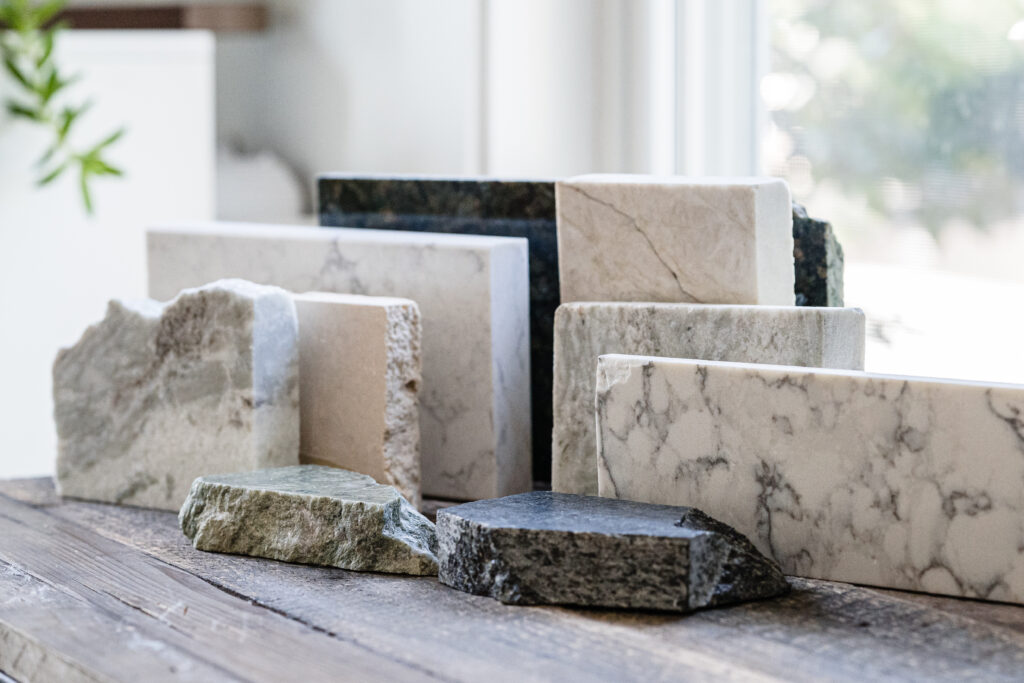
Countertops, cabinetry, backsplash tile, and paint colors work together to define the style and functionality of kitchens and bathrooms.
Millwork and trim choices, such as crown molding, baseboards, and door casings, bring cohesion and refinement to the home.
Because interior finishes often include the most personal touches, homeowners sometimes delay these decisions, but postponement can delay construction schedules and increase costs. Documenting these materials early helps ensure a smoother build and a home that feels complete when you move in.
Hardware and Details
The smaller selections on your materials list for building a house are easy to overlook, but they have a big impact on the finished look. Door hardware, cabinet knobs and pulls, closet systems, and even fireplace details must be specified to keep projects on track.
These may feel like finishing touches, but they require lead times for ordering and installation, which is why they need to be listed alongside the larger categories. Consistent attention to detail in this phase ensures your home feels intentional down to the smallest component.
Specialty Systems
Modern homes increasingly include specialty systems that should be included in your materials list. HVAC systems must be specified for efficiency and zoning, while smart home systems provide options for security, thermostats, and lighting automation.
Soundproofing, insulation upgrades, and home office needs should also be documented. These may not be the first items that come to mind, but they contribute directly to the long-term comfort, value, and functionality of the home.
A comprehensive materials list for building a house goes far beyond a simple checklist. It is the foundation for accurate pricing, efficient scheduling, and a finished home that reflects your vision.
From the big-ticket exterior items that drive your budget to the smallest hardware details, every choice matters. Homeowners who invest the time to create and maintain a complete list see fewer delays, fewer surprises, and greater satisfaction with the final product.
By approaching the process methodically and staying organized, you give yourself the best chance of building a house that truly feels like home.